Schools & Education
Storm Damage Forces Dearborn Schools to Cancel Summer Discovery, But Free Meal Service Continues
By Staff · July 19, 2026
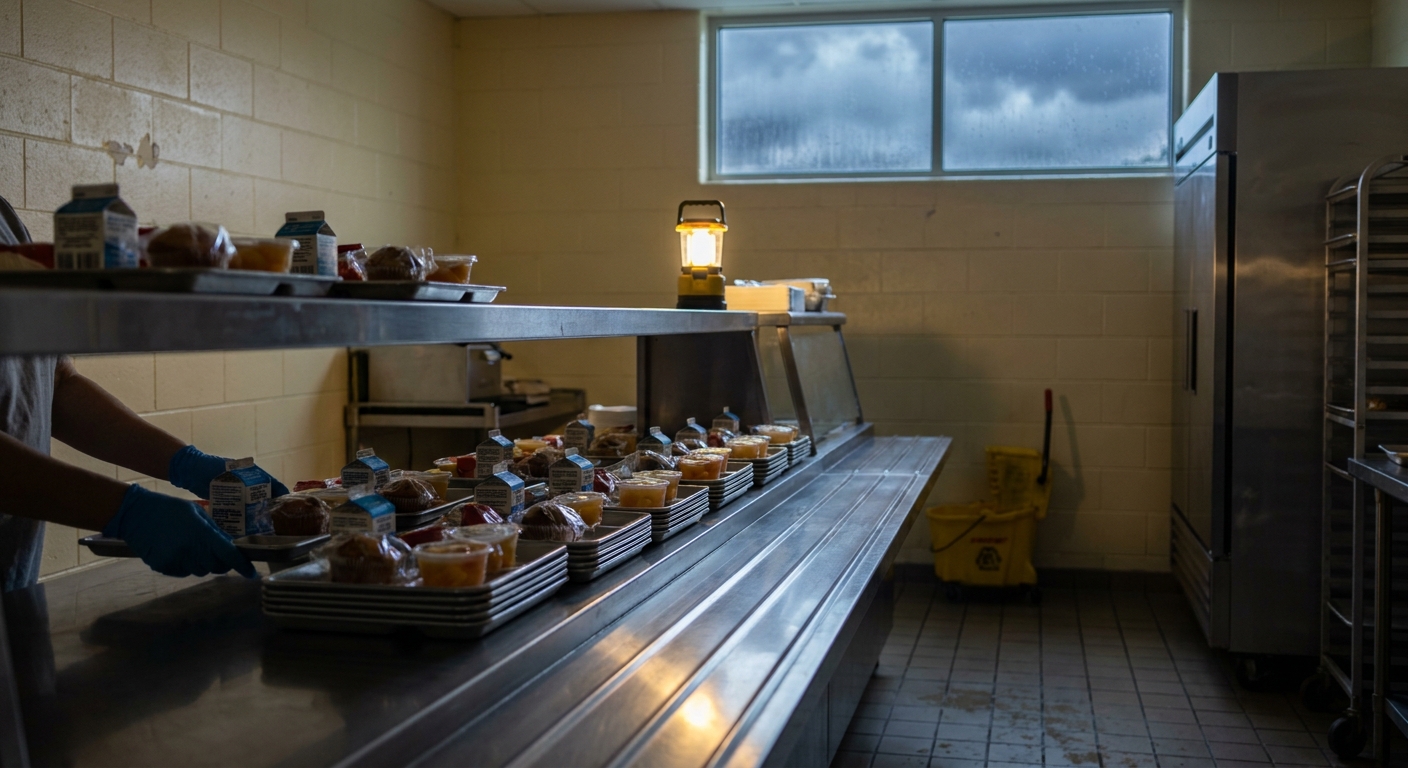
Storm damage and widespread power outages forced Dearborn Public Schools to cancel Summer Discovery on Monday, July 6, but the district kept free student meals available.
For families juggling disrupted work, childcare, and homes without power, the split drew a clear line: Summer Discovery could pause. Food service could not.
Storms on Friday, July 3, brought winds topping 60 mph across Michigan, knocking down trees and power lines and leaving roughly 300,000 residents without electricity by Saturday evening. In Dearborn, the storm damage was linked to at least half a dozen water main breaks. On Saturday, July 4, the city distributed dry ice at the Ford Community and Performing Arts Center as residents dealt with both outages and water-main trouble.
The district told Summer Discovery staff and bus drivers not to report on July 6. Food service workers were directed to come in so meal operations could continue.
Dearborn Public Schools is offering free breakfast and lunch from June 29 through July 31 for children 18 and younger, as well as older youth with qualifying disabilities, at 18 school locations. The federally funded program has no residency requirement. Children coming to a school only for a summer meal must check in at the school office before entering the cafeteria. The district did not say which of its 18 locations remained open during the outages or whether service had been concentrated at sites with power.
About 400,000 Michigan children lose access to free school meals during summer break. Michigan's Summer EBT program issued benefits to 937,406 students during summer 2026. Dearborn's free Summer Discovery program for K-9 students expanded in 2026 from 4,000 participants the previous year and was scheduled to run from June 29 through July 31, with no sessions on July 3 or July 4. Across Metro Detroit, the multiday outage forced residents to throw out spoiled food, disrupted medical care, and upended daily routines as the blackout entered a fourth day.
Nearly 400,000 DTE customers lost electricity during the July 4 weekend storms. DTE Energy said it had restored power to more than 325,000 customers within 48 hours and aimed for 95% restoration by the end of July 6. Late on July 6, more than 36,700 DTE and Consumers Energy customers in Michigan still had no power, down from more than 83,000 earlier in the day. DTE set up community resource stations in several cities, including Dearborn, to distribute ice, water, and supplies to customers without power.
At least six people died in Michigan following the weekend storms, including three children in two Wayne County incidents involving power generators running after the storm. Dearborn seniors and local elected officials criticized DTE Energy's response, characterizing affected seniors as members of one of the city's most vulnerable communities during the extended outages.
A 2024 state audit found DTE's grid lagging peers in reliability, but Michigan regulators and DTE cite significant reductions in outage minutes in 2024 and 2025. DTE invested approximately $1.7 billion in grid improvements in 2025 and is prioritizing circuits and neighborhoods with repeated outages. Michigan customers are entitled to automatic bill credits of $42 per day for outages lasting longer than 96 hours.
The district's decision to cancel programming while ensuring food service staff reported reveals which commitments schools treat as non-negotiable even when infrastructure fails. Mike Esseily was selected as Dearborn Public Schools superintendent in May 2026 and began his official work on July 1—just days before the storm forced the July 6 emergency decision, an early test of district priorities under new leadership.