Schools & Education
Dearborn Schools Put $1.5B Bond on November Ballot — What It Means for Taxpayers, Students, and Neighborhoods
By Staff · July 17, 2026
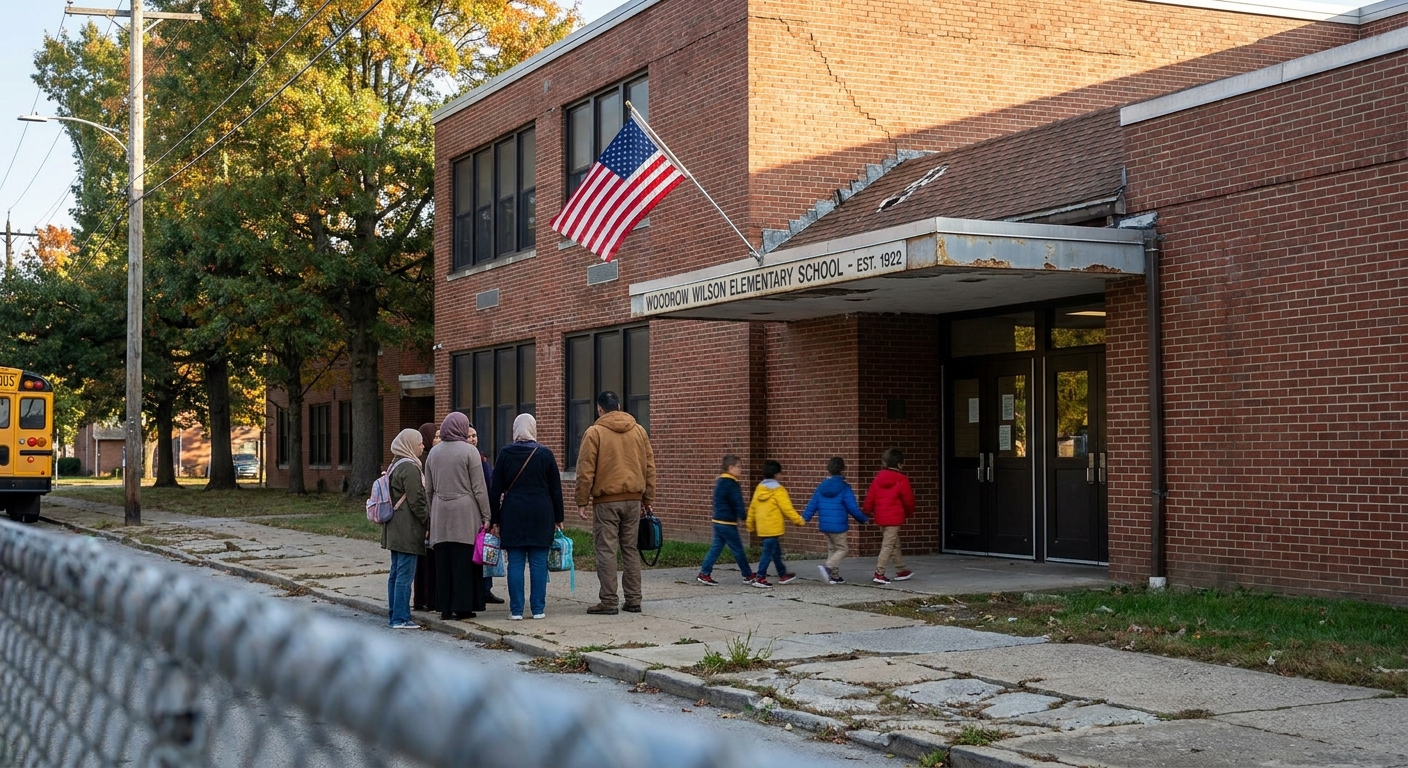
On Nov. 3, Dearborn voters will be asked to make a $1.51 billion, 30-year bet on the schools their children attend, the buildings their neighborhoods keep or lose, and the tax bills households pay—the biggest school investment proposal the city has faced in a generation.
The Dearborn Board of Education voted 7-0 on June 22, 2026, to put the proposal on the ballot. If approved, it would fund a four-phase construction and renovation program stretching over 20 years, with the goal of replacing or remodeling every school in Dearborn Public Schools. At its center: six new preschool-through-eighth-grade schools, built by combining elementary and middle schools on existing campuses.
Dearborn voters last approved a bond in 2013 but narrowly rejected a $240 million facilities bond in 2019.
For City of Dearborn homeowners, the district's sales pitch comes down to the tax bill: Officials say the biggest school investment proposal in a generation would add nothing to their net annual taxes.
The bond calls for a 3.14-mill increase. But for homeowners inside Dearborn, the district projects no net increase—$0 more a year for every $100,000 in taxable value—because other city and school taxes are set to expire. Those offsets include the district's 2.18-mill operating levy, approved in February 2024, and the City of Dearborn's 0.96-mill combined sewer overflow debt millage.
For residents of Dearborn Heights who live within the school district, the math is different. They do not pay the city sewer millage, so the bond would mean a net increase of 0.96 mills, or exactly $96 a year for every $100,000 of taxable value. The building program would serve the full district, but its tax effect would not land evenly on every household.
The first five years carry some of the most immediate, visible changes: two new PreK-8 schools, a middle school addition, a new special education facility, secure vestibules at 24 schools, plus restroom, roof, and technology work.
One new Lowrey K-8 school would replace Becker Elementary in Phase 1. Another K-8 campus would combine O.L. Smith and Nowlin elementary schools at the existing O.L. Smith and Nowlin campus.
Phase 1 also includes a multistory middle school addition at Salina Elementary School, which serves the Southend neighborhood's highest concentration of Arab American—specifically Yemeni American—residents, with more than 95 percent of students being English Language Learners from Yemen. For those families, the proposal offers a near-term expansion rather than a project left for a later generation of students.
District officials say every building will receive improvements within the first three years.
Years six through 10 would add two more PreK-8 schools and renovate four elementary schools. Years 11 through 15 would bring major renovations to all three high schools—Fordson, Dearborn High, and Edsel Ford—plus two elementary schools and one new PreK-8 building. All three high schools would keep their current buildings with extensive renovations, not close. The final five years would cover renovations at five elementary schools, one middle school, one PreK-8 building, and other district facilities, including the administration building.
That is the tradeoff built into consolidation. A neighborhood may gain a newer, larger school while losing a familiar standalone building. For neighborhoods waiting on later projects, the timing matters: Many students now in school will graduate before those renovations arrive. But the construction calendar runs two decades, and the full plan touches every corner of Dearborn. Residents have a clear job before and after the vote: Ask whether consolidation decisions, construction schedules, and building upgrades are being spread equitably—not merely described as districtwide.
Voters are also being asked to trust a cost estimate meant to hold through 20 years of construction.
The district hired Plante Moran Realpoint as program manager to draft and implement the bond, with a specific mandate to ensure projects are completed on time and on budget while providing regular community updates. Two firms were hired specifically to analyze educational and building needs to create independent cost estimates for the $1.51 billion figure. Bond spending requires that cost changes and money usage information be updated publicly as funds are spent.
Publicly available bond materials do not specify commitments on local labor or apprenticeship requirements in construction contracts. For a public investment this large, residents may want an answer to a basic question: Who gets the jobs?
The district says it developed its cost estimates and initial project priorities through stakeholder meetings, focus groups, and a formal survey, and that it will gather community input at each phase to determine final details for new school construction.
Supporters say the bond is a chance to modernize schools before deferred maintenance takes a deeper bite out of classrooms and operating budgets. If this measure fails, district leaders warn that infrastructure funding will have to be taken from areas critical to teaching and learning, continuing a pattern of postponed maintenance after the 2019 bond defeat. The district has no robust Plan B if the bond fails.
The question before voters is bigger than whether Dearborn schools need work. It is whether this 20-year plan, its uneven tax impact, and its accountability promises give every community paying for it a meaningful share of what gets built.
Early voting begins October 24 and runs through November 1, 2026. The voter registration deadline is Monday, October 19, 2026, for online and mail registration, with in-person registration available until 8 p.m. on Election Day. Polls on November 3 are open from 7 a.m. to 8 p.m. Residents can learn more at the district's dedicated 2026 Transformational Bond website.